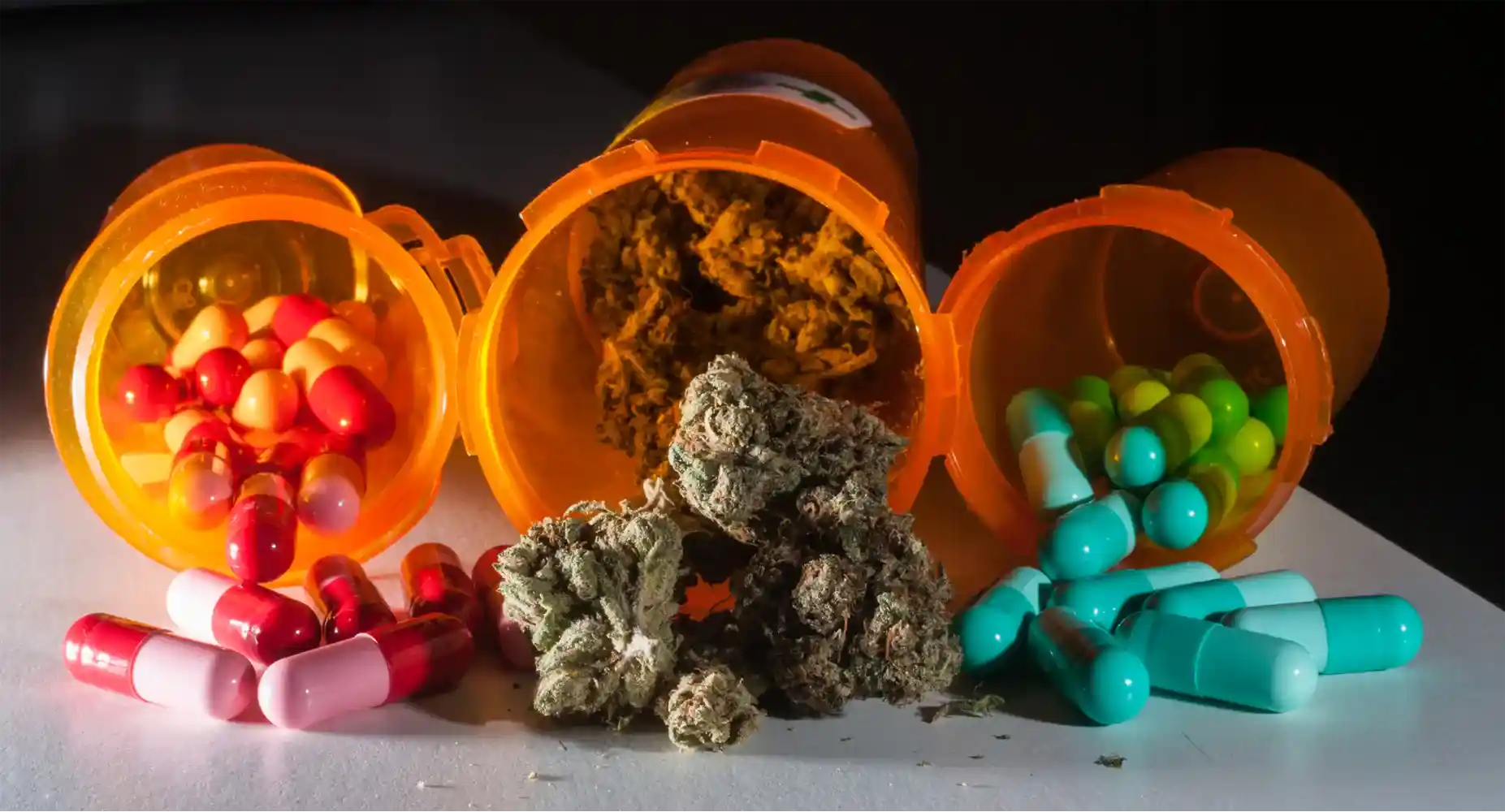
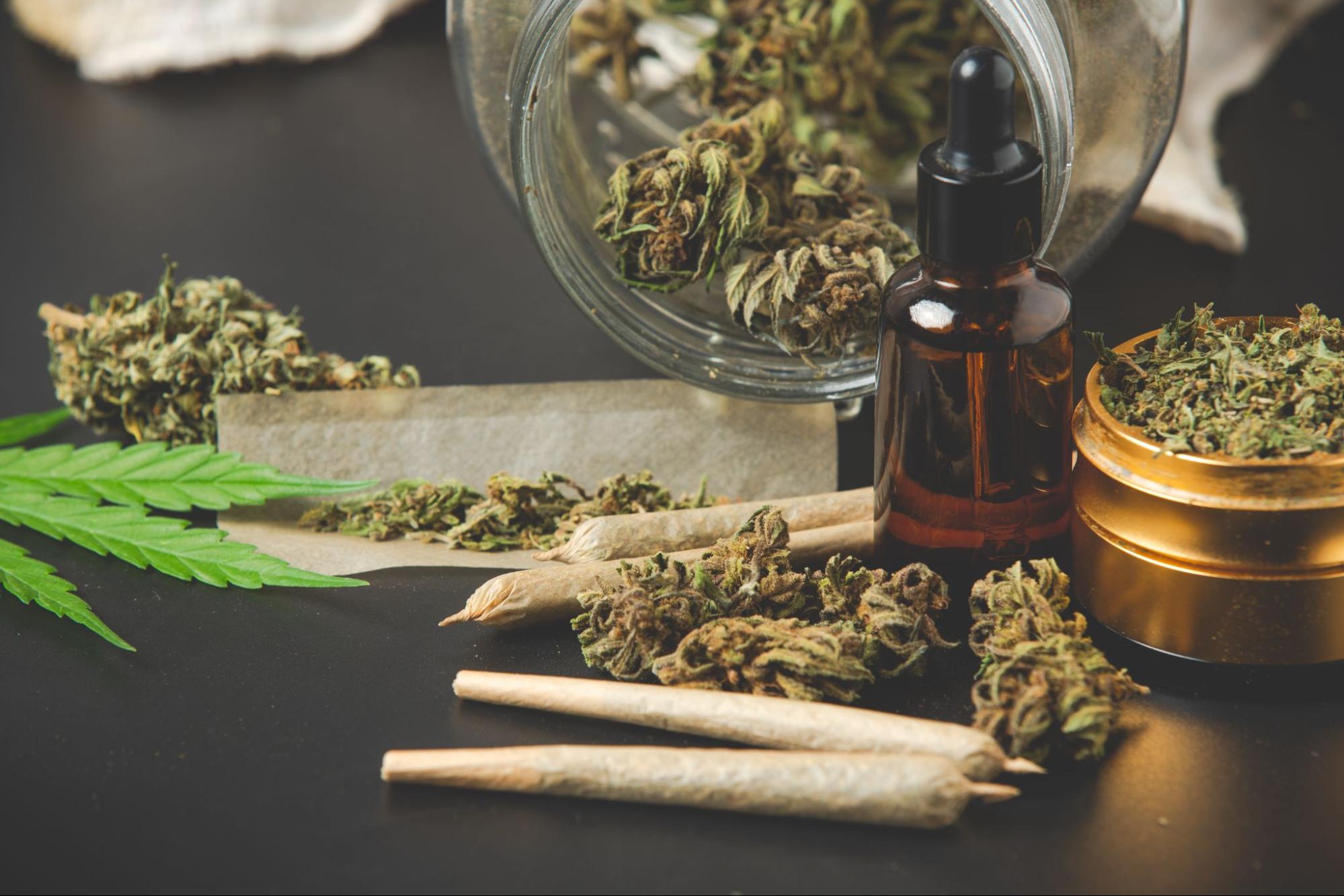
Long before Inyo Fine Cannabis was serving Winchester, Paradise, and the University District from its location at Sahara and Maryland Parkway, Nevada had one of the most complicated, colorful, and ultimately triumphant relationships with cannabis of any state in the country.
This is the story of how Nevada went from criminalization to becoming one of the most progressive cannabis markets in the United States, and why Clark County residents today enjoy access that would have been unthinkable just a generation ago.
For a full breakdown of today’s Nevada cannabis laws and your rights as a Clark County resident, read our companion post Nevada Cannabis Laws Every Las Vegas Local Needs to Know Before They Shop. And if you want to see what the legal Nevada market actually looks like on a shelf, browse the Inyo Fine Cannabis menu — same-day delivery available throughout Clark County.
The Early 20th Century: Nevada Follows the Federal Wave
Cannabis arrived in the American Southwest in the late 1800s and early 1900s, carried north primarily by Mexican immigrants and workers who used it recreationally and medicinally under the name “marihuana.” In Nevada, as in most western states, cannabis was largely unregulated through the early decades of the 1900s. Pharmacies stocked cannabis-based tinctures. Physicians prescribed it. There was no stigma to speak of.
That changed swiftly and dramatically in the 1930s.
The Federal Bureau of Narcotics, led by Harry Anslinger, launched one of the most effective propaganda campaigns in American political history. The “Reefer Madness” era painted cannabis as a dangerous, violence-inducing substance, and Anslinger specifically tied the drug to Mexican immigrants and Black jazz musicians in an effort to generate public fear. The campaign worked.
Nevada enacted its first cannabis prohibition laws in 1933, bringing the state into alignment with what would soon become federal policy. The Marihuana Tax Act of 1937 effectively criminalized cannabis at the federal level, and Nevada, like every other state, fell in line.
For the next three decades, cannabis in Nevada was entirely underground.
The 1960s and 1970s: Counterculture Meets the Desert
The 1960s brought cannabis out of the shadows and into mainstream American youth culture. Las Vegas, by that point the entertainment capital of the world, was no exception. The same city that hosted the Rat Pack and built its identity around gambling, showgirls, and the suspension of everyday rules was quietly hosting a cannabis culture of its own, largely among musicians, entertainers, and the young visitors pouring into the Valley.
Nevada’s response was strictly punitive. Possession of any amount of cannabis was a felony under Nevada law throughout most of the 1960s. A single arrest could mean years in prison. The laws were enforced with particular aggression against young people, minorities, and anyone associated with the counterculture.
The federal Controlled Substances Act of 1970 placed cannabis in Schedule I, the most restrictive classification, asserting it had no accepted medical use and a high potential for abuse. Nevada state law mirrored federal severity throughout this period.
Yet public opinion was shifting. By the mid-1970s, eleven states had decriminalized personal possession of small amounts of cannabis. Nevada was watching.
1979: Nevada Takes Its First Step Toward Reform
In 1979, Nevada passed one of the more quietly significant pieces of cannabis legislation in the state’s history. The Nevada Legislature reduced the penalty for possession of one ounce or less of cannabis from a felony to a misdemeanor, punishable by a fine of up to $100 for a first offense.
It was modest, but it mattered. Nevada had acknowledged that treating every cannabis user as a felon was disproportionate. The Las Vegas Valley, which by 1979 had grown into a major metropolitan area, had a cannabis-using population that the courts could no longer realistically process at felony volume.
This was not decriminalization in the modern sense. Arrest and prosecution still happened. But it was the first crack in the wall.
The 1980s: The War on Drugs and a Step Backward
The Reagan administration’s War on Drugs hit Nevada hard in the 1980s. Federal funding flowed to local law enforcement agencies across Clark County, and arrests for cannabis possession spiked. The tough-on-crime political climate pushed state legislatures in exactly the wrong direction, and Nevada tightened several aspects of its cannabis enforcement during this decade.
Las Vegas, as the most visible city in the state, was not immune. The Strip’s image managers were deeply uncomfortable with any association between the city’s entertainment product and drug use, and local law enforcement reflected that institutional pressure. Cannabis arrests in Clark County rose through the mid-1980s.
For the communities that would eventually become Inyo’s neighborhood, including Winchester, Paradise, and the areas around what is now the University District, this period meant heightened police presence and a cannabis culture that was genuinely underground.
1998: Nevada’s First Medical Marijuana Vote
Everything changed in 1998, or at least began to change.
Nevada voters approved Question 9 in November 1998, a constitutional amendment that would allow seriously ill patients to use cannabis for medical purposes. The amendment passed with 59% of the vote, a clear majority that demonstrated Nevada’s population was well ahead of its legislature on the cannabis question.
However, the amendment required approval at two consecutive elections before taking effect. It passed again in 2000 with 65% of the vote, and Nevada’s medical marijuana program became constitutional law.
Clark County, home to more than 70% of Nevada’s entire population, was central to both votes. The Las Vegas Valley had spoken.
2001: Nevada’s Medical Marijuana Program Is Born
Nevada’s Legislature implemented the medical marijuana program in 2001, creating a patient registry and allowing qualifying patients to possess and cultivate limited amounts of cannabis for personal medical use. The list of qualifying conditions included cancer, AIDS, glaucoma, and conditions causing severe nausea, seizures, or muscle spasms.
The early program was, by today’s standards, deeply limited. There were no licensed dispensaries. Patients had to grow their own cannabis or obtain it through informal caregiver arrangements. For a seriously ill patient in Winchester or Paradise with no ability to cultivate their own supply, the program offered protection on paper but little practical access.
Still, the foundation had been laid. Nevada recognized cannabis as medicine. The state had crossed a line it would never fully step back from.
2004 and 2006: Recreational Legalization Attempts Fall Short
Emboldened by the success of the medical amendment, Nevada cannabis advocates pushed for full recreational legalization in 2004. Question 9 on that year’s ballot would have allowed adults to possess up to 3 ounces of cannabis for personal use. It received 39% of the vote. Not enough, but a meaningful number for a recreational cannabis measure in 2004.
A second attempt in 2006 failed by a similar margin.
The opposition ran hard on conflicts with federal law, public safety concerns, and the image of Las Vegas as a family-friendly destination. The tourism industry, then deeply influential in Nevada politics, was not yet ready to embrace a legal cannabis market.
These defeats were instructive. Advocates learned what messaging worked, what didn’t, and where Clark County voters were in their thinking. The 2006 campaign in particular helped build the organizational infrastructure that would eventually win in 2016.
2013: Nevada Opens Licensed Dispensaries
A decade after the medical program was established, Nevada finally moved to create licensed dispensaries. Senate Bill 374, passed in 2013, authorized the creation of a regulated dispensary network and allowed medical patients to purchase cannabis from licensed retail locations for the first time.
The Nevada Division of Public and Behavioral Health oversaw the initial licensing process. Clark County, predictably, became home to the largest concentration of licensed dispensaries in the state.
For Las Vegas locals, 2013 was the year the experience of obtaining medical cannabis transformed. No more relying on home cultivation or informal networks. You could walk into a licensed Nevada cannabis store, show your medical card, and purchase tested, labeled, professionally cultivated products.
The cannabis retail experience that Clark County locals know today began here.
2016: Nevada Votes Yes on Question 2 — Full Legalization
On November 8, 2016, Nevada voters passed Question 2 with 54.5% of the vote, legalizing recreational cannabis for adults 21 and older. The measure was strongly supported in Clark County, where Las Vegas voters, particularly in urban neighborhoods such as Winchester, Paradise, and Downtown Las Vegas, backed legalization by significant margins.
Question 2 was a comprehensive measure. It authorized the possession of up to 1 ounce of cannabis by adults 21 and older, established a framework for licensed recreational dispensaries, created a tax structure directing cannabis revenue to the state’s education fund, and prohibited consumption in public spaces and vehicles.
Nevada joined Alaska, California, Colorado, Massachusetts, Maine, Oregon, and Washington as states with legal adult-use cannabis markets.
The campaign that won in 2016 had learned from the 2004 and 2006 campaigns. It centered on tax revenue for education, the failure of prohibition, and the social justice argument against arresting people for personal cannabis use. The Las Vegas Valley, whose residents had been living with a medical cannabis market for three years and had formed their own clear opinions about it, voted accordingly.
July 1, 2017: Recreational Sales Begin in Nevada
Nevada made national headlines on July 1, 2017, when recreational cannabis sales began. The state had moved with unusual speed from voter approval to retail launch, and on the first day of sales, dispensary lines across Clark County stretched around the block.
The Las Vegas Valley’s dispensaries processed thousands of transactions in those first days. Tax revenue projections were blown past almost immediately. Nevada collected more cannabis tax revenue in its first month of recreational sales than Colorado had in its first comparable period.
For the neighborhoods around Inyo’s Sahara and Maryland location, Winchester, Paradise, and the University District, July 1, 2017 was the day legal, convenient cannabis access became a simple fact of daily life rather than a complicated workaround.
2017 to Present: Building the Nevada Cannabis Market
Since recreational legalization, Nevada’s cannabis market has matured significantly. Several developments have shaped what Clark County residents experience today:
The Nevada Cannabis Compliance Board In 2020, Nevada consolidated cannabis regulation under the newly created Nevada Cannabis Compliance Board (CCB), replacing the previous dual-agency oversight model. The CCB standardized licensing, enforcement, laboratory testing requirements, packaging and labeling rules, and advertising restrictions across the entire Nevada cannabis industry. Every product on Inyo’s menu has passed CCB-mandated testing protocols.
Cannabis Delivery Becomes Legal In 2017, Nevada initially prohibited cannabis delivery to consumers. Dispensaries could operate retail locations and allow pickup, but delivery was off the table. That changed in 2019, when the Nevada Legislature authorized licensed dispensaries to deliver cannabis directly to private residences. Inyo’s same-day delivery service to Clark County addresses, including Winchester, Paradise, the University District, and Sunrise Manor, is a direct product of that 2019 legislative change.
Employment Protections Nevada’s 2019 Assembly Bill 132 made Nevada one of the first states in the country to prohibit most employers from denying employment to candidates solely because they tested positive for cannabis on a pre-employment screen. For the thousands of Clark County workers who use cannabis legally in their private lives, this was a significant workplace protection.
Social Equity and Expungement Nevada has made incremental progress on cannabis-related criminal record expungement, allowing individuals with prior cannabis convictions for activities now legal under state law to petition for record sealing. The work in this area continues, and advocacy organizations across Clark County remain active in pushing for broader automatic expungement provisions.
The Market Today Nevada’s legal cannabis market generates hundreds of millions of dollars in annual tax revenue, the majority of which flows to the state’s education fund. Clark County is home to the state’s most active retail cannabis market. The product selection available to a Winchester or Paradise resident today, from Las Vegas Wyld Gummies and Las Vegas Stiiizy Flower to Las Vegas Rove Live Resin Carts and Las Vegas AMA Concentrates, represents a level of quality, variety, and consumer transparency that would have seemed impossible during the prohibition years.
You can explore the full range of what Nevada’s legal market has produced on the Inyo Fine Cannabis menu. Learn about the brands behind those products at Inyo Academy or on our brands page.
What Nevada’s Cannabis History Means for Clark County Residents Today
The arc of cannabis in Nevada is a story that took nearly a century to complete. From criminalization in 1933 to felony enforcement through the 1970s, from the first medical vote in 1998 to failed recreational attempts in 2004 and 2006, to the landslide of 2016 and the retail launch of 2017, Nevada got here by a long, uneven road.
What that history produced is a legal market that is genuinely built around the consumer. Tested products. Licensed dispensaries. Employment protections. Delivery to your door. A loyalty program that earns you free cannabis for being a regular. A deals page with daily specials for the people who live here.
Inyo Fine Cannabis sits at the intersection of all of it: a fully licensed Nevada dispensary at Sahara and Maryland Pkwy, seven minutes from the Strip and right in the middle of the neighborhoods, Winchester, Paradise, the University District, Sunrise Manor, Downtown Las Vegas, that drive this market.
If you are new to Nevada’s cannabis scene, Inyo Academy is the best place to start learning. If you are ready to shop, browse the full menu or place a delivery order for your Clark County address. Join Inyo Insiders to earn points on every purchase, and download the Inyo App for the fastest checkout and access to app-exclusive deals. Have a question? Contact us or stop in at Sahara and Maryland.
Nevada built something worth being proud of. Come be part of it.
Frequently Asked Questions
Q: When did cannabis become legal in Nevada?
Recreational cannabis became legal in Nevada on January 1, 2017, when Question 2 took effect following its passage by Nevada voters in November 2016 with 54.5% of the vote. Legal retail sales began on July 1, 2017. Nevada’s medical marijuana program has been in place since 2001, following a constitutional amendment approved by voters in 1998 and 2000. Adults 21 and older in Clark County, including residents of Winchester, Paradise, and the University District near UNLV, can legally purchase cannabis from licensed dispensaries such as Inyo Fine Cannabis at Sahara and Maryland Pkwy.
Q: Was cannabis ever legal in Nevada before 2017?
Cannabis was not legal recreationally in Nevada before 2017. However, Nevada established a medical marijuana program in 2001 following voter approval in 1998 and 2000. Prior to the medical program, Nevada reduced cannabis possession penalties from a felony to a misdemeanor in 1979, making it one of the earlier states to scale back criminal penalties for personal use. Full adult-use legalization came with the passage of Question 2 in November 2016 and the launch of retail sales on July 1, 2017. Clark County residents can now purchase cannabis legally at Inyo Fine Cannabis and have it delivered to their door throughout Las Vegas and the surrounding valley.
Q: How did Nevada’s cannabis legalization affect Las Vegas locals?
Nevada’s legalization transformed the daily experience of Las Vegas locals across Clark County. Residents in Winchester, Paradise, Sunrise Manor, the University District near UNLV, and Downtown Las Vegas gained access to tested, labeled, professionally cultivated cannabis products from licensed dispensaries without the legal risk that had defined the prohibition era. The 2019 addition of licensed home delivery, available through services like Inyo Fine Cannabis delivery, meant Clark County residents could order cannabis directly to their private residences. Employment protections enacted in 2019 further extended legal rights to workers who use cannabis in their personal lives.
Q: Who regulates cannabis in Nevada today?
Cannabis in Nevada is regulated by the Nevada Cannabis Compliance Board (CCB), established in 2020 to consolidate oversight of the state’s cannabis industry. The CCB oversees licensing for dispensaries, cultivators, producers, and distributors, as well as laboratory testing standards, packaging and labeling requirements, advertising rules, and enforcement. Every product available at Inyo Fine Cannabis has passed CCB-mandated laboratory testing for potency, pesticides, and contaminants before reaching the shelf or being dispatched for delivery across Clark County.
Q: What happened to Nevada’s early recreational legalization attempts?
Nevada voters rejected recreational cannabis legalization twice before succeeding in 2016. Question 9 in 2004 would have allowed adults to possess up to 3 ounces and received 39% of the vote. A second measure in 2006 failed by a similar margin. Both defeats were attributed to concerns about federal law conflicts, public safety messaging by opponents, and the Las Vegas tourism industry’s resistance to association with cannabis. The successful 2016 campaign, which passed with 54.5% of the vote, reframed the argument around tax revenue for education, the documented failures of prohibition, and social justice. Clark County, particularly the urban neighborhoods of Las Vegas, voted strongly in favor.